Category
BBDBuy Other Stuff: Classify the Shipping Risk Before the Style
A miscellaneous category can become useless if it turns into a junk drawer. The way to make it valuable is to classify each product by the decision it creates rather than by forcing it into an unrelated fashion category.
Current BBDBuy Other Stuff Finds
Browse Other Stuff on W2C Spreadsheet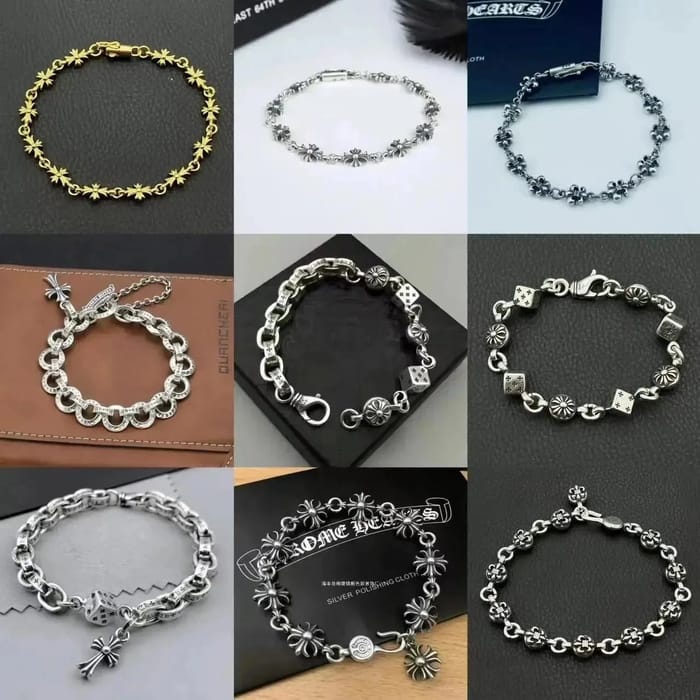 Chrome Hearts Silver Bracelet with Floral Design$17.44 USDView Find →
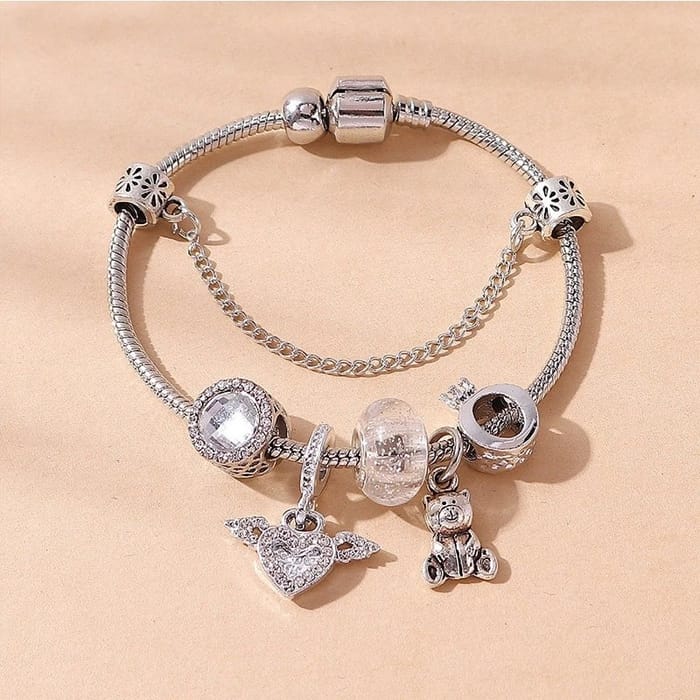 Silver Charm Bracelet with Heart and Bear Pendants Gold$3.69 USDView Find →
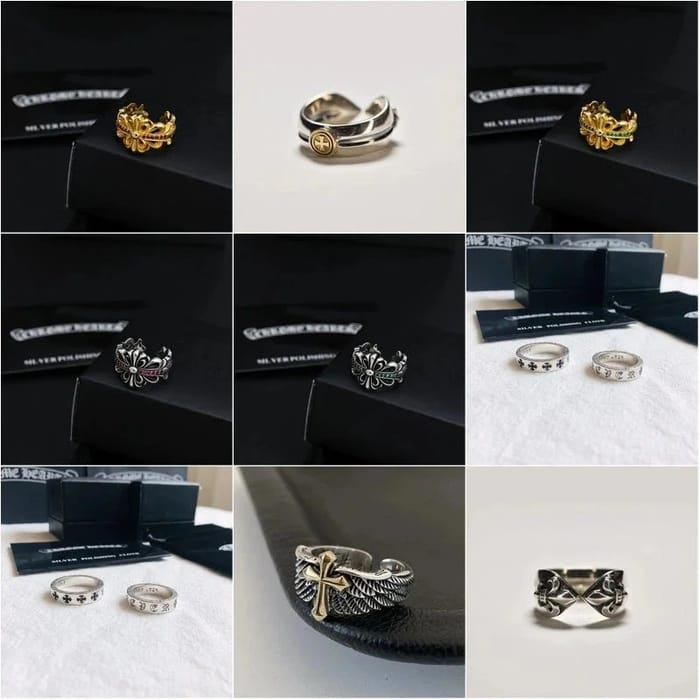 Chrome Hearts Ring$31.78 USDView Find →
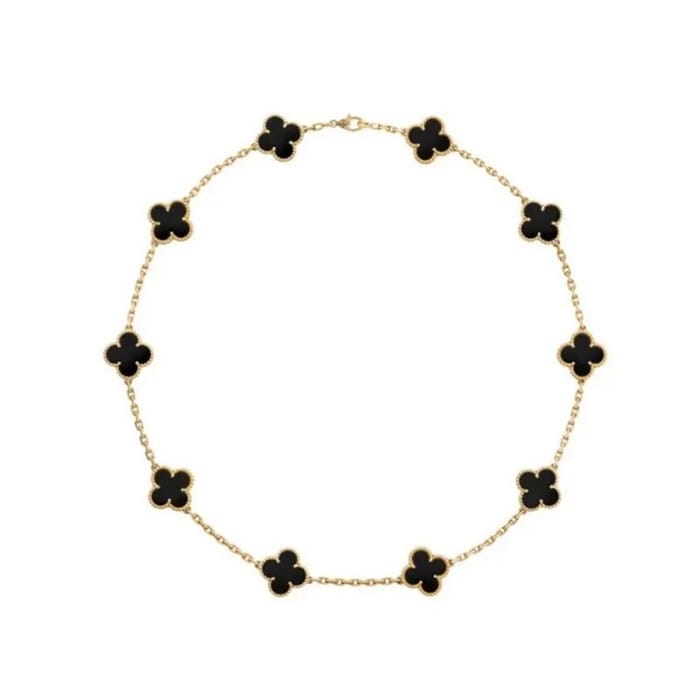 Black Clover Motif Gold Chain Necklace$29.41 USDView Find →
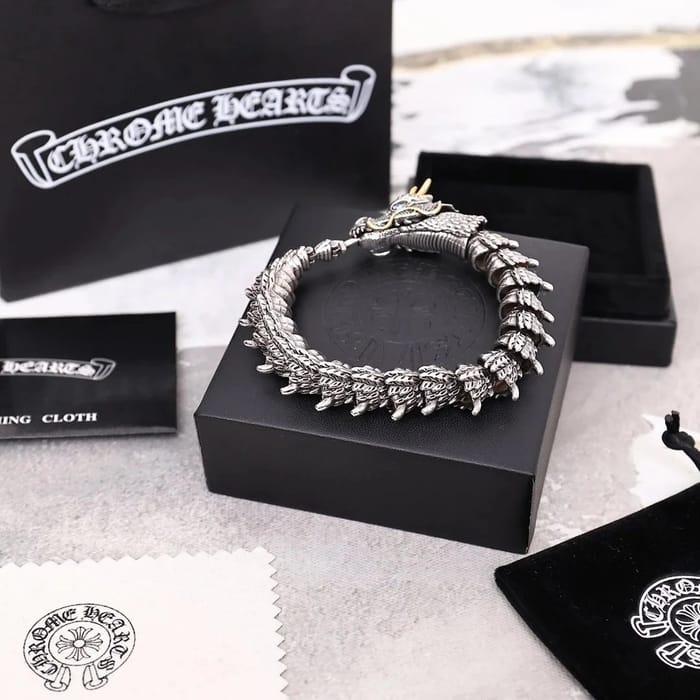 Chrome Hearts Dragon Bracelet$48.03 USDView Find →
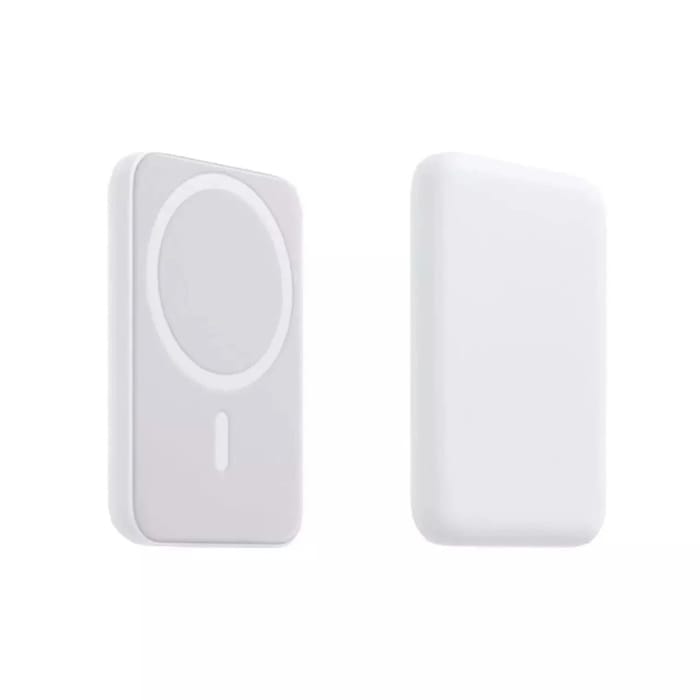 MagSafe Battery Pack$14.50 USDView Find →
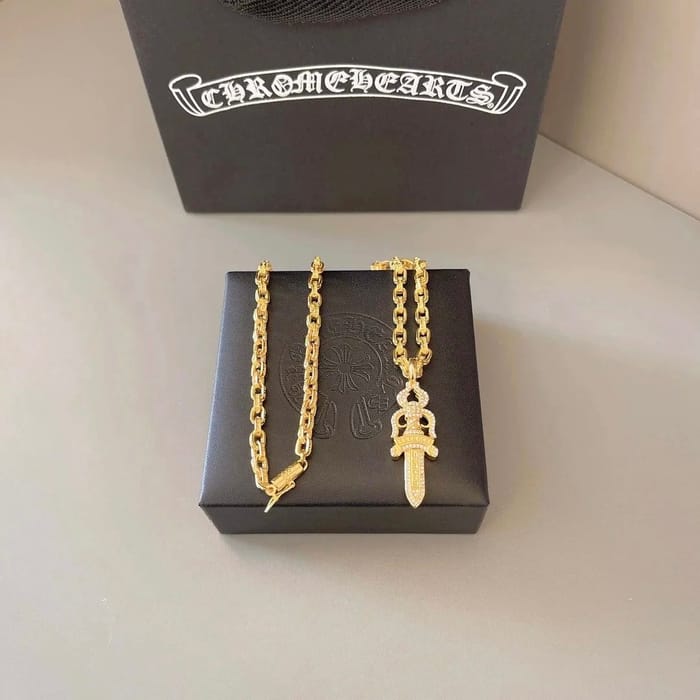 Chrome Hearts Gold Dagger Pendant Necklace$46.56 USDView Find →
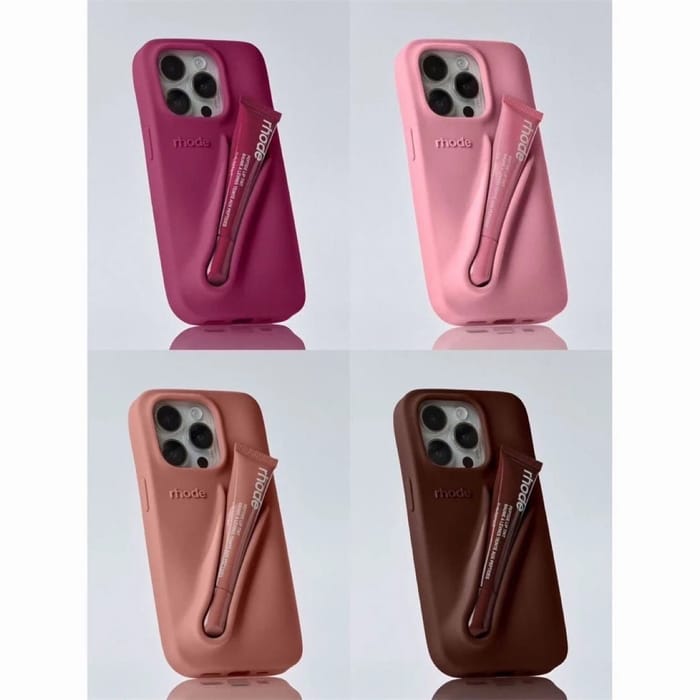 Rhode Phone Case with Lipstick Holder$11.08 USDView Find →
 Audi A7 Model Car$13.38 USDView Find →
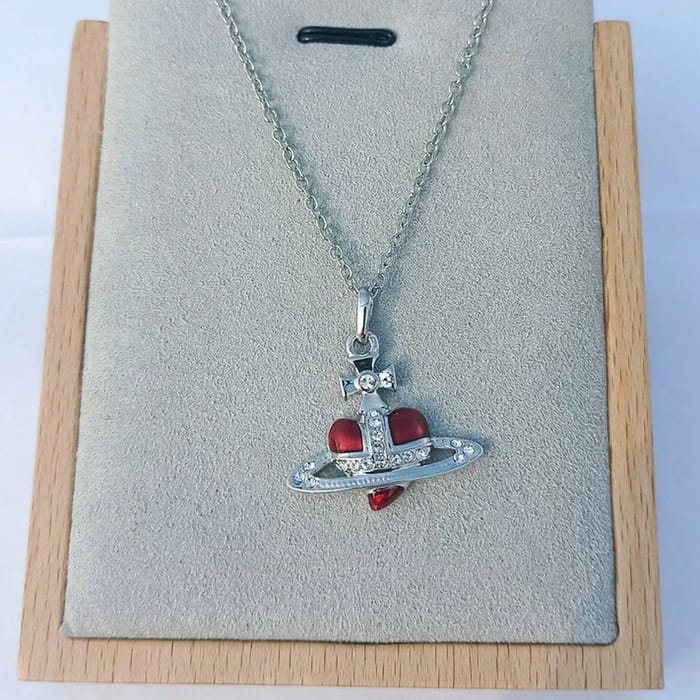 Vivienne Westwood Orb Pendant Necklace$13.30 USDView Find →
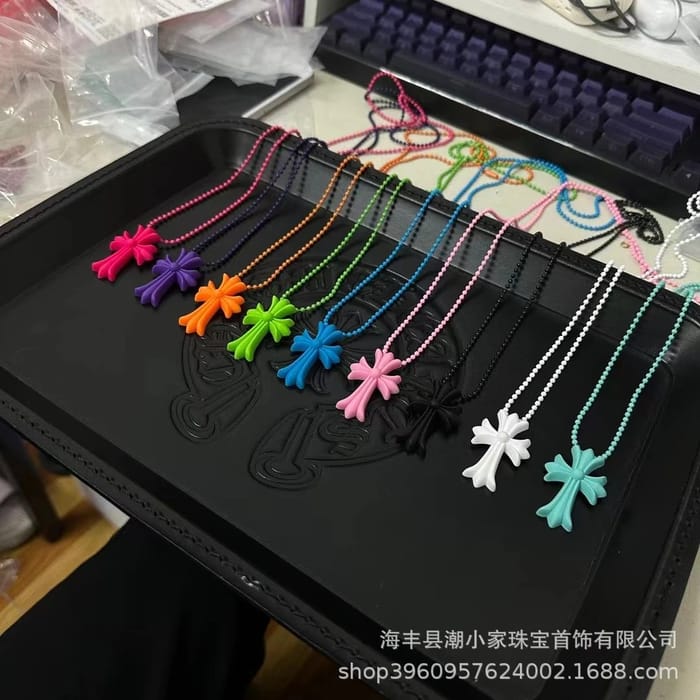 Hip-Hop Rainbow Cross Necklace for Women, Trendy Youthful Pendant, Multiple Color Options$10.32 USDView Find →
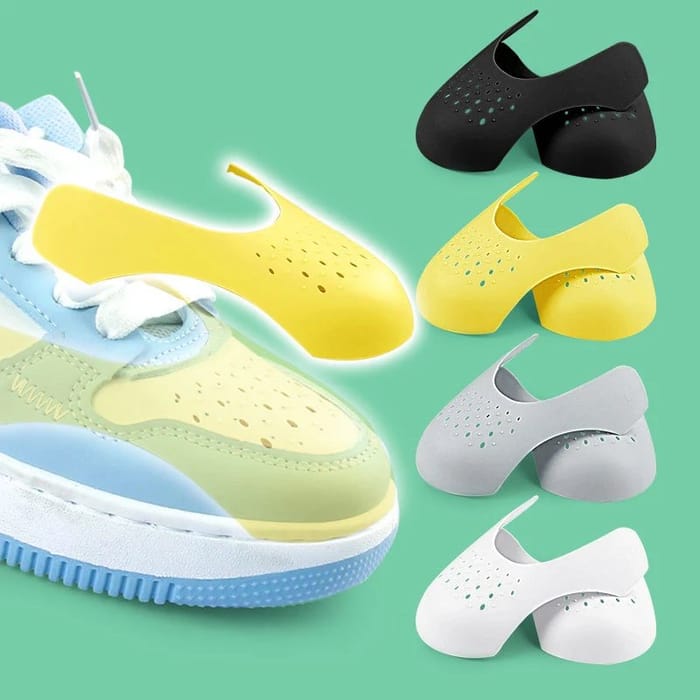 Silicone Shoe Covers for Sneakers - Black, Yellow, Gray, White$1.77 USDView Find →
First Classify the Object
Ask whether the item is:
- soft;
- rigid;
- fragile;
- battery-containing;
- liquid;
- oversized;
- sharp-edged;
- multi-piece;
- unusually shaped.
That answer immediately tells you what information to search for next.
Dimensions Often Matter More Than the Name
Organizers, decor, small tools, household objects and novelty products can look similar in a cropped image while being dramatically different in scale. Record length, width, height or capacity when those numbers define usefulness.
If the product is intended to hold another object, compare the internal usable dimension—not only the outer dimension.
Multi-Piece Listings Need Quantity Control
A hero image can show a full set while the lowest-price variant includes only one component. Confirm the selected option, included accessories and quantity before comparing prices.
Build the QC Request Around the Product Type
A fragile ornament needs condition checks. A tool may need included parts. An organizer may need dimensions. An electronic accessory may need connector verification.
Do not reuse the same QC checklist for every miscellaneous product.
Let Shipping Restrictions Decide Early
Unusual products can create disproportionate logistics problems. If the item contains liquid, a battery, magnetic parts or other restricted materials, check current route rules before the parcel is built around it.
Miscellaneous Decision Map
| Product characteristic | Main question |
|---|---|
| Fragile | What protection is required? |
| Multi-piece | Exactly what does the selected price include? |
| Oversized | What are the actual dimensions? |
| Restricted | Which current routes accept it? |
| Rigid/odd shape | How much useful parcel volume will it occupy? |
The “Cheap but Awkward” Test
A miscellaneous product can be inexpensive and still be a poor parcel addition. Imagine a lightweight organizer with large rigid dimensions: the scale weight is small, but the product may force a larger carton. Compare the delivered usefulness, not only the item price.
Before ordering, write the object's approximate size next to one familiar real-world object. That simple comparison catches many scale mistakes caused by product photography.
Other Stuff Questions
It does not fit naturally into the site's main footwear, apparel or accessory groups.
Dimensions, selected variant, included parts and any special shipping or packing need.
Yes. Fragility, size and route restrictions can matter more than the product price.