Category
BBDBuy Glasses: Frame Geometry Beats Model Photography
Eyewear fit is geometry. A frame that looks narrow on one model can be wider than a frame that looks oversized on another because face shape, camera distance and lens styling distort the comparison.
Current BBDBuy Glasses Finds
Browse Glasses on W2C Spreadsheet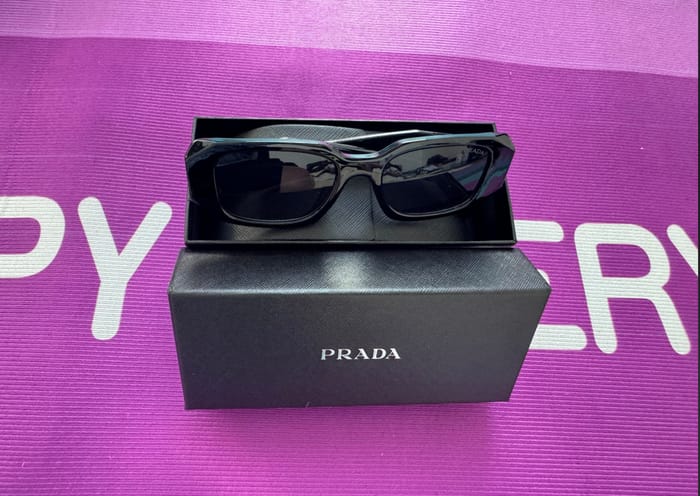 Prada PR 17WS Black Sunglasses$26.46 USDView Find →
 Louis Vuitton LV Glasses$10.29 USDView Find →
 miumiu fashion sunglasses$10.20 USDView Find →
 Chanel fashion sunglasses$10.20 USDView Find →
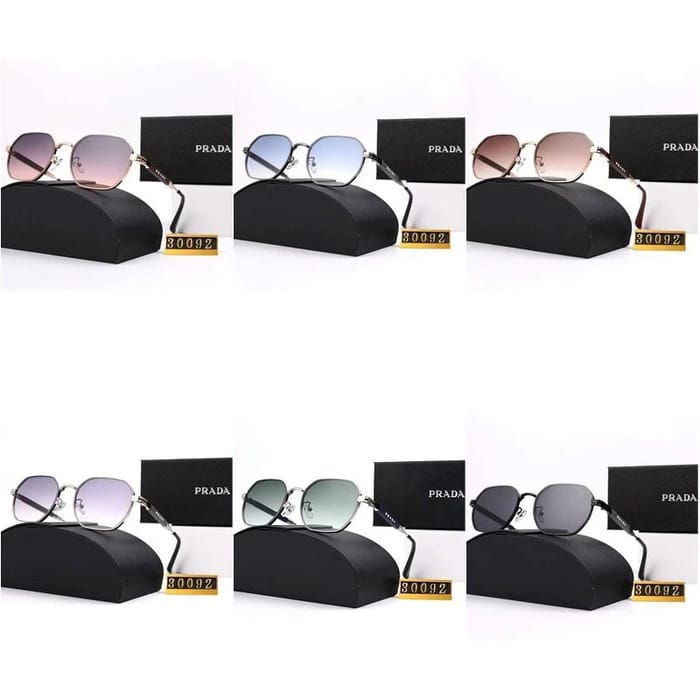 PRADA Sunglasses$20.40 USDView Find →
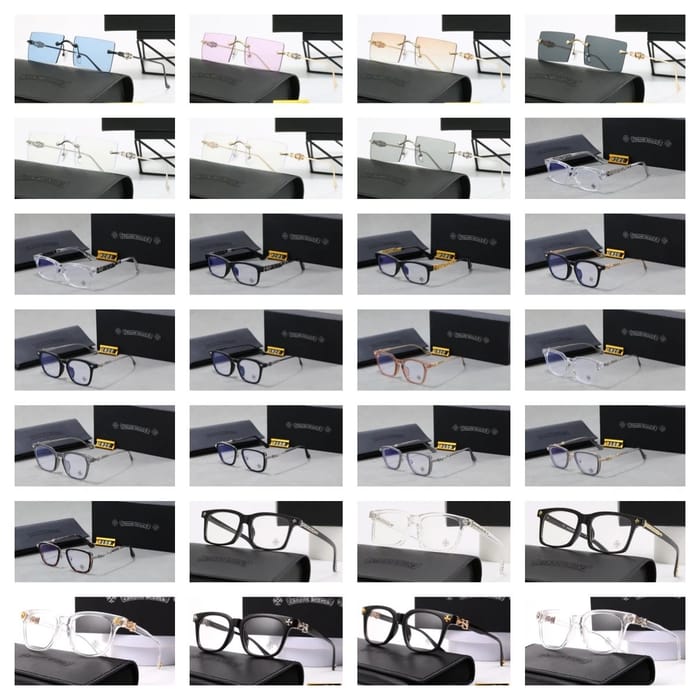 Kroxin Fashion sunglasses$10.20 USDView Find →
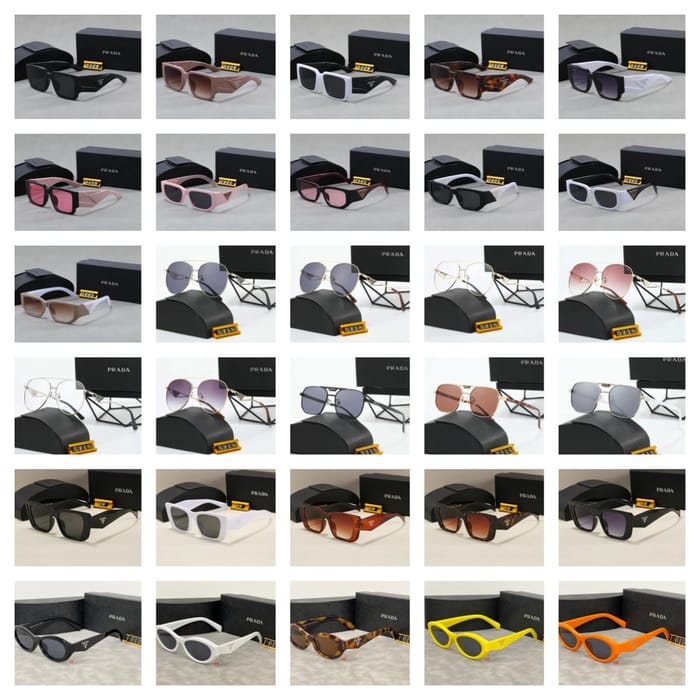 Pudala fashion sunglasses$10.20 USDView Find →
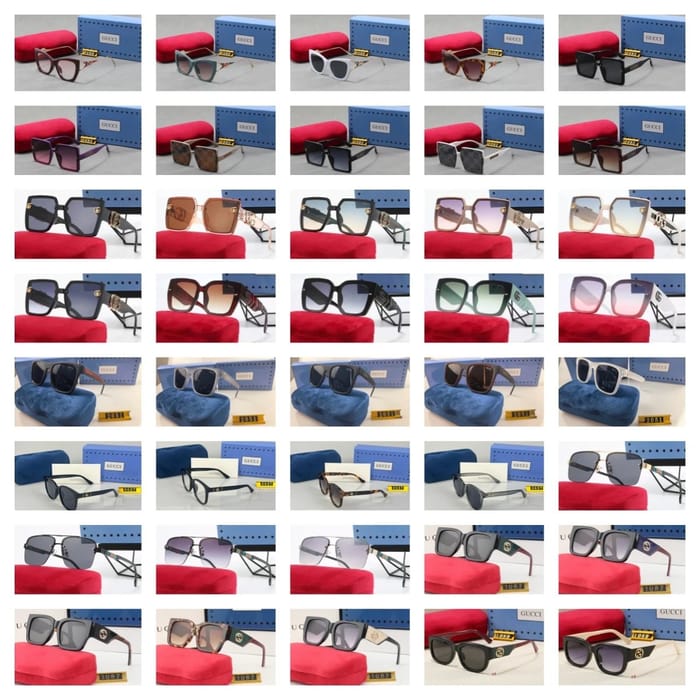 Gucci fashion sunglasses$10.20 USDView Find →
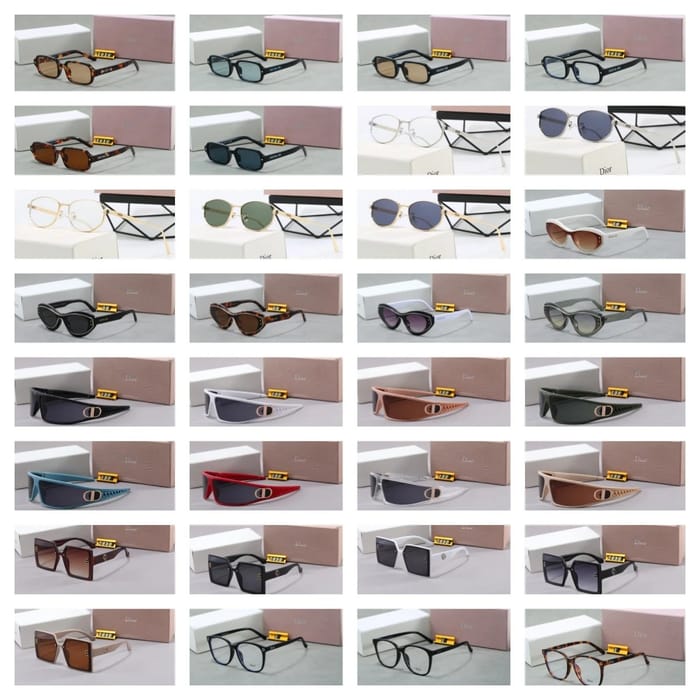 Dior fashion sunglasses$10.20 USDView Find →
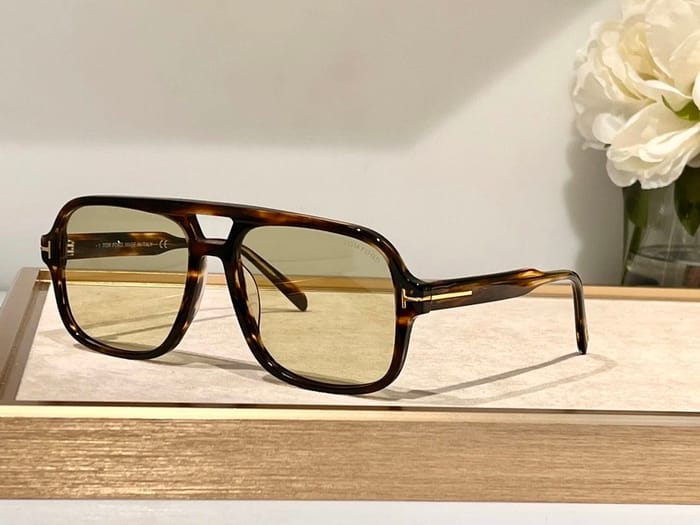 Tom Ford Black Cat Eye Sunglasses$38.13 USDView Find →
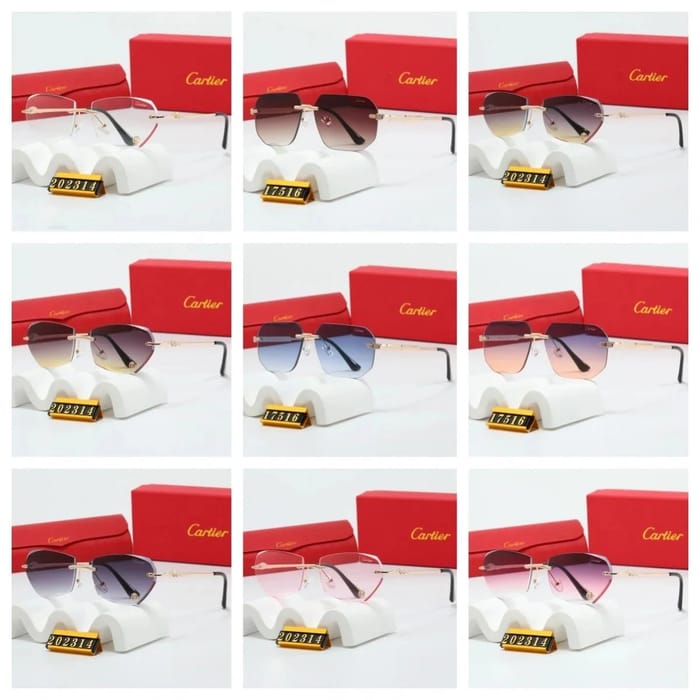 Cartier Gradient Lens Sunglasses$19.95 USDView Find →
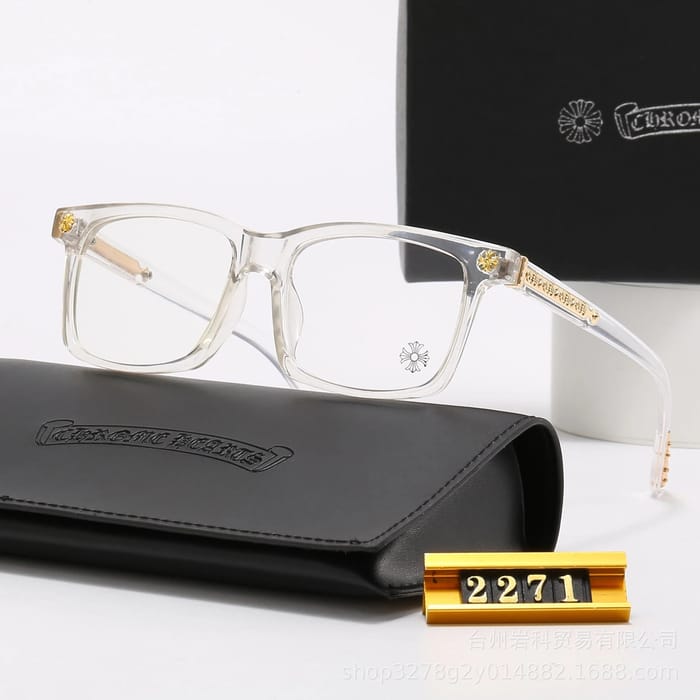 Chrome Hearts Black Square Eyeglasses$35.18 USDView Find →
Use Your Current Frames as the Measuring Tool
Take a pair that fits well and record total frame width, bridge width and temple length. If lens width and height are available, record those too. Those numbers create a much stronger reference than “small”, “medium” or “large”.
Bridge Fit Changes How the Whole Frame Sits
A frame can have the right total width and still sit badly because the bridge is too narrow or too wide. Check the bridge measurement where available and compare the construction style with frames you already wear comfortably.
Lens Shape Changes the Visual Size
Two frames with similar total width can look completely different because of lens height, lens width and corner shape. Use measurements to separate actual fit from styling.
Warehouse QC for Eyewear
Useful visible checks include frame alignment, obvious scratches, hinge condition, lens damage, missing screws and whether the selected colour or lens option is correct. If the arms appear uneven, use multiple angles before concluding the frame is bent because camera perspective can mislead.
The Case Is Usually Useful Volume
A hard case occupies space, but it also protects lenses and frame alignment from pressure. For eyewear, removing the case often saves relatively little compared with the protection it provides.
Eyewear Fit Card
| Measurement | What it tells you |
|---|---|
| Total width | Overall face fit |
| Bridge width | How the frame sits across the nose |
| Temple length | How far the arms extend behind the ears |
| Lens height/width | Visual proportion and coverage |
| Case type | Protection vs parcel volume |
Fit Scenario: Same Width, Different Feel
Imagine two frames that are both 145 mm wide. One has a narrow bridge and tall lenses; the other has a wider bridge and shallow lenses. They can sit completely differently even though the headline width matches. That is why a useful eyewear comparison keeps several dimensions together instead of ranking frames by one number.
Before keeping a frame, decide whether your problem is width, bridge pressure, temple reach or visual lens proportion. Then use the measurement that actually answers that problem.
Eyewear Questions
Compare the listing dimensions with a pair you already wear comfortably.
Visible frame alignment, scratches, hinges, lens condition and included accessories.
Usually only if you accept the reduced protection. The saved volume is often modest.