Category
BBDBuy Bags & Belts: Measure the Object, Not the Product Photo
A cropped product photo removes scale. A shoulder bag can look compact and still be too large for everyday use, while a small crossbody can look bigger because it fills the frame. Dimensions and strap reach should decide whether the product belongs on the shortlist.
Current BBDBuy Bags & Belts Finds
Browse Bags & Belts on W2C Spreadsheet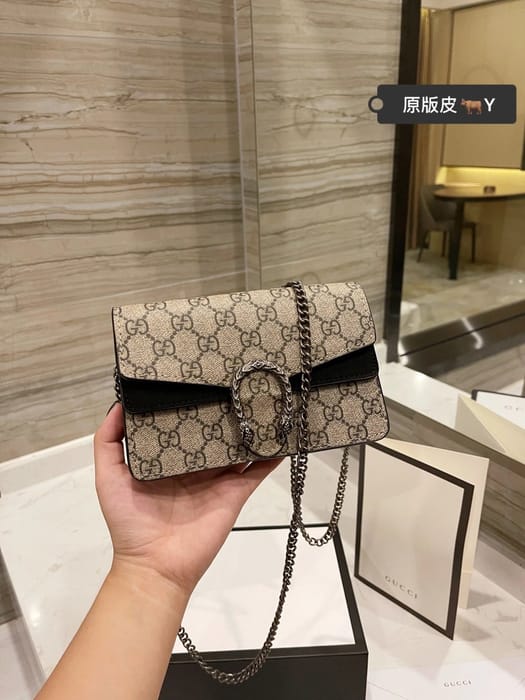 Gucci Dionysus Mini Bag$92.67 USDView Find →
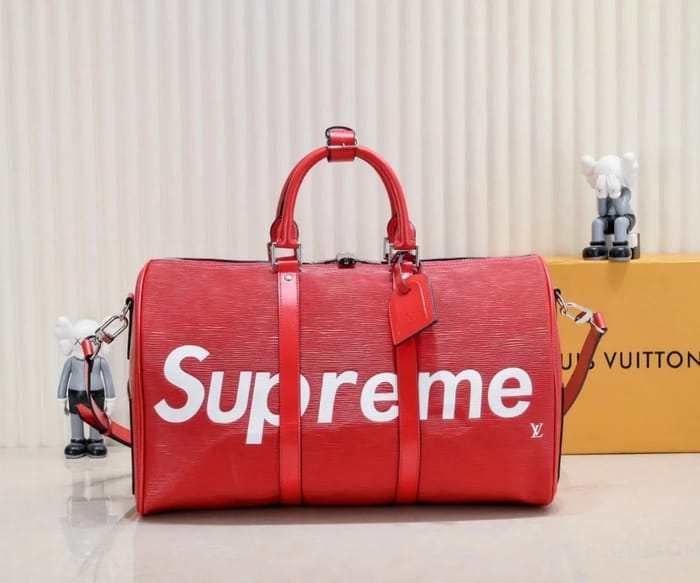 Supreme x Louis Vuitton Red Keepall Duffle Bag$63.55 USDView Find →
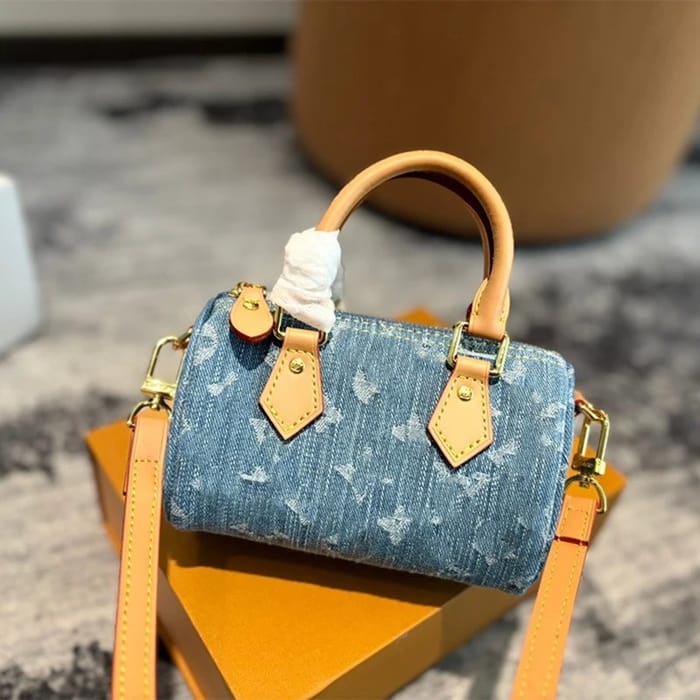 Louis Vuitton Denim Monogram Mini Bag$51.01 USDView Find →
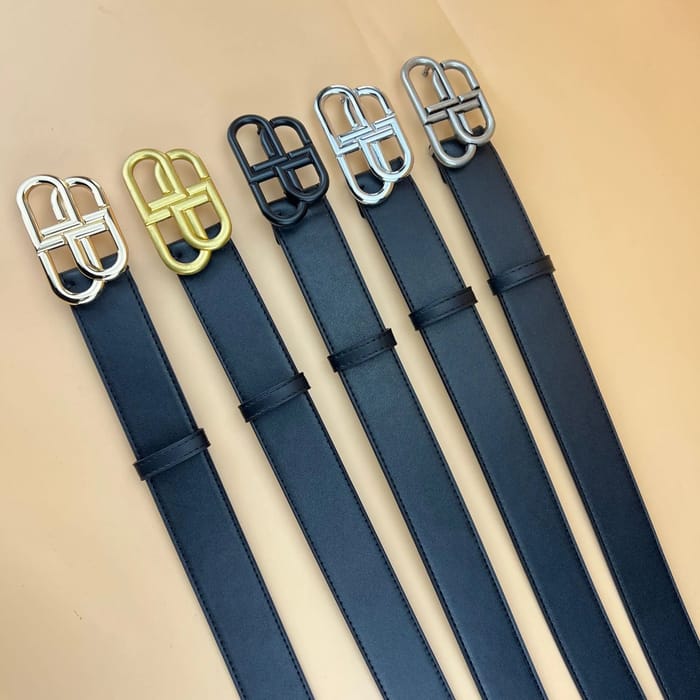 Designer Leather Belts with Interlocking Buckles$11.82 USDView Find →
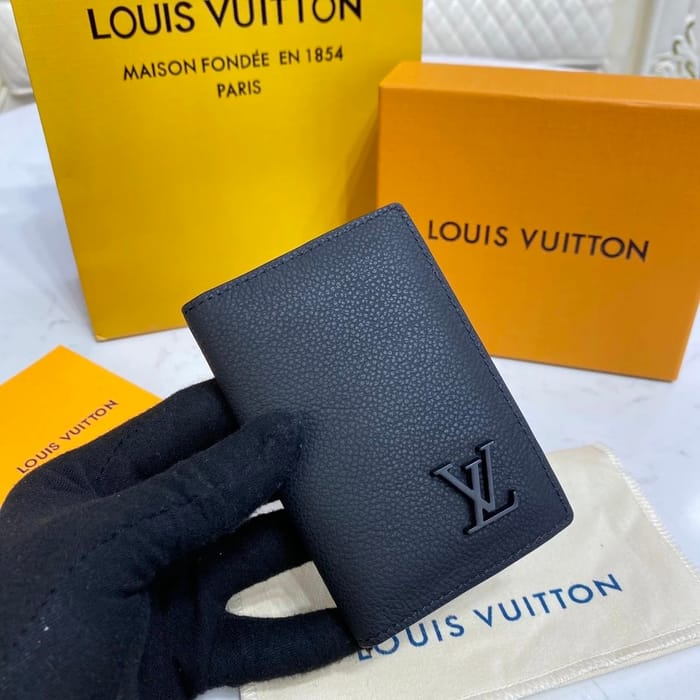 Louis Vuitton Black Leather Card Holder$67.04 USDView Find →
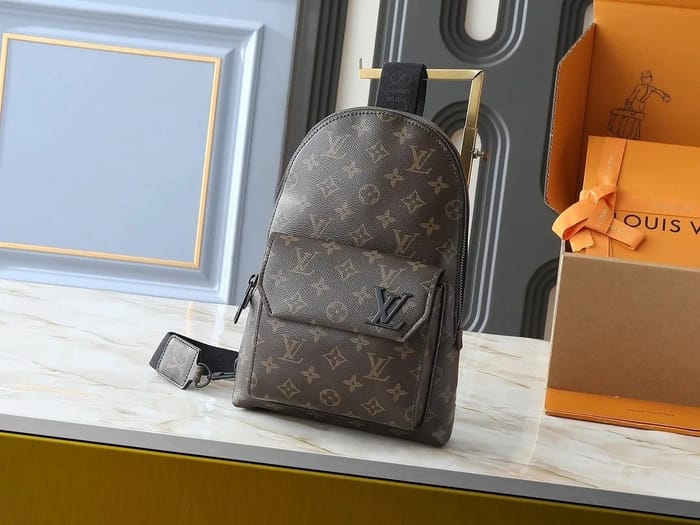 Louis Vuitton Monogram Mini Backpack$53.21 USDView Find →
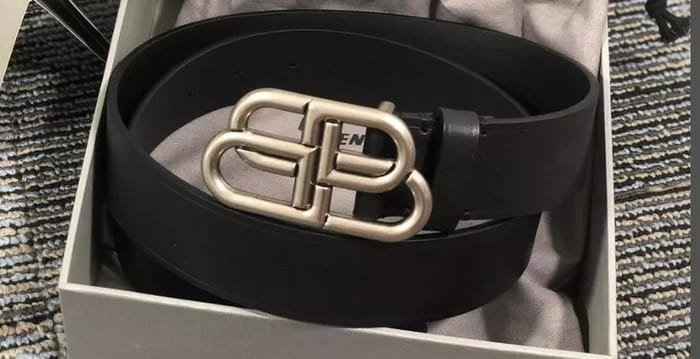 Balenciaga Black Leather Belt with Silver Logo Buckle$56.02 USDView Find →
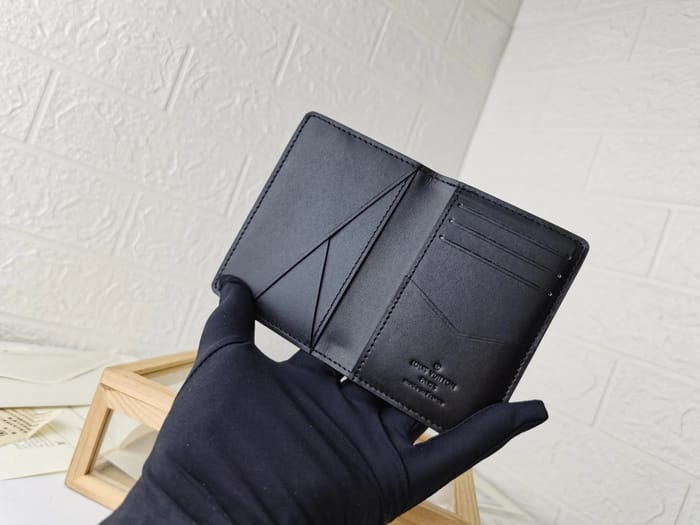 Louis Vuitton Black Leather Wallet$28.08 USDView Find →
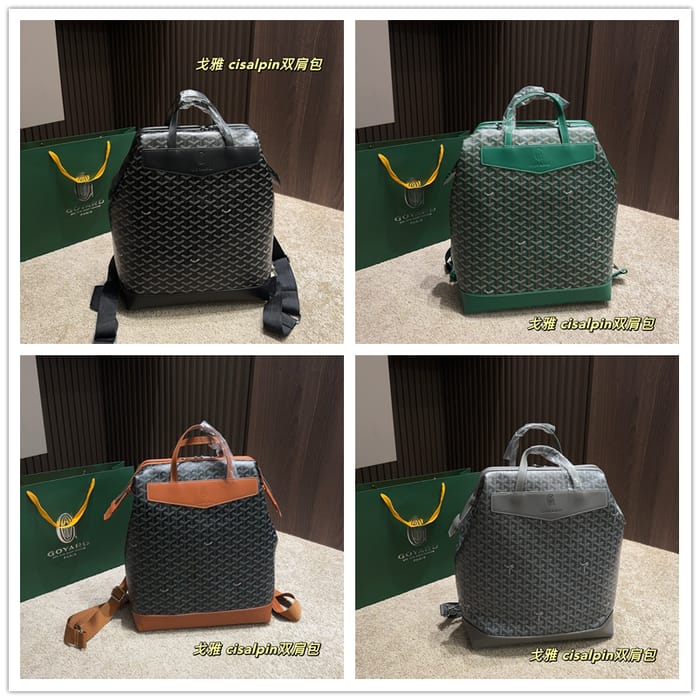 Goyard Cisalpin Backpack$44.34 USDView Find →
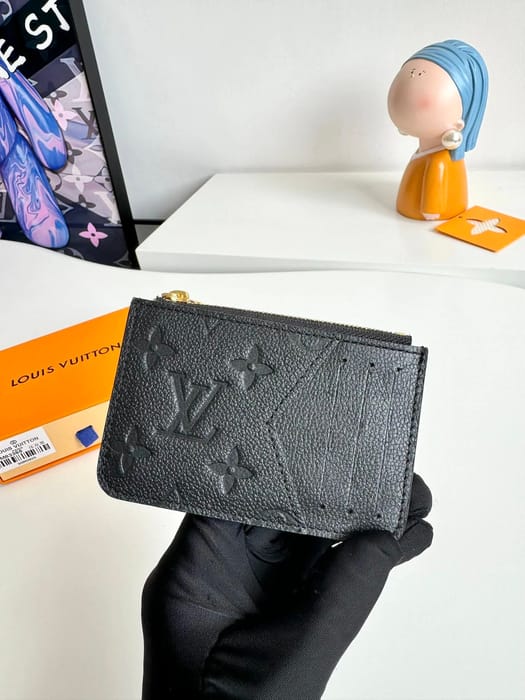 Louis Vuitton Monogram Empreinte Zippy Wallet$51.73 USDView Find →
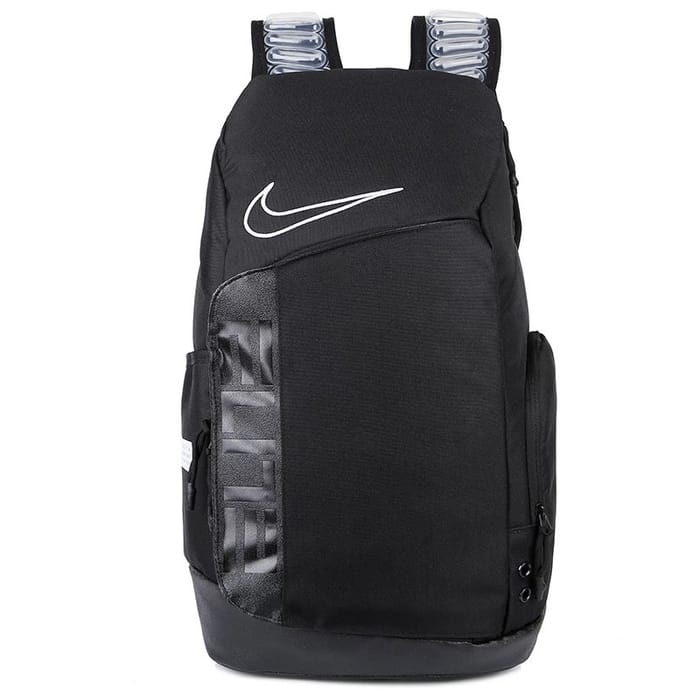 Nike Elite Backpack$20.69 USDView Find →
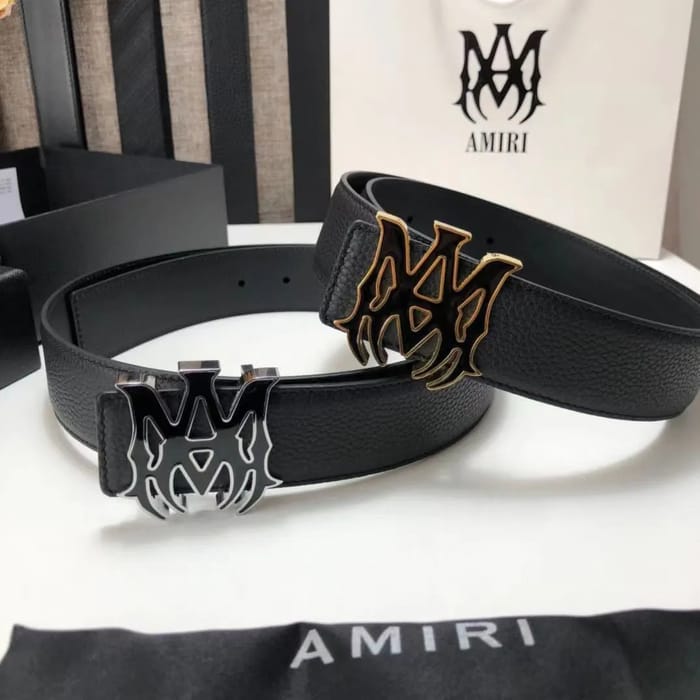 AMIRI Logo Belt$8.87 USDView Find →
Translate Dimensions into Real Objects
When a listing gives width, height and depth, compare those numbers with a bag you already own or with the objects you intend to carry. Ask whether a phone, tablet, bottle or other daily item will actually fit.
For structured bags, depth is especially important because it influences both capacity and parcel volume.
Strap Length Changes the Use Case
A shoulder strap that looks long in a model photo may sit differently on you. Check fixed, adjustable and maximum strap lengths where available. Confirm whether the strap is removable and whether the selected variant includes it.
Hardware Is a Functional QC Area
Zippers, buckles, clasps, magnetic closures, strap clips and metal feet are not only cosmetic details. At the warehouse, check that visible hardware is present, aligned and not obviously damaged.
For belts, confirm buckle type, belt width and the actual usable length range. A generic S/M/L label is much less useful than the distance between holes and overall length.
Structure Determines Packing Strategy
Soft fabric bags can often pack efficiently. Rigid or heavily structured bags may deform if crushed. A smaller carton is not automatically better if it damages the shape you bought.
Stuffing or shape support can be useful parcel volume for structured pieces.
Bag & Belt Decision Board
| Product detail | Ask this |
|---|---|
| Width × height × depth | Will it hold what I expect? |
| Strap | Is the range usable on my body? |
| Hardware | Are closures and clips complete? |
| Structure | Can it safely compress? |
| Belt length | Is the usable hole range correct? |
Capacity Test Before Checkout
For a daily bag, make a short object list: phone, wallet, keys, bottle, tablet or camera. Compare the product's stated dimensions with those objects. This creates a practical capacity test that is more reliable than a model holding the bag in a styled photo.
For belts, use the same logic with waist position and usable hole range rather than overall decorative length.
Accessories Questions
Compare the stated dimensions with a bag or everyday objects you already know.
Structure, handles, straps, hardware, closures, seams and visible damage.
Only if you accept the risk to shape. Protection can be more important than minimum parcel volume.